
Brick & Stone Steps Repair & Build
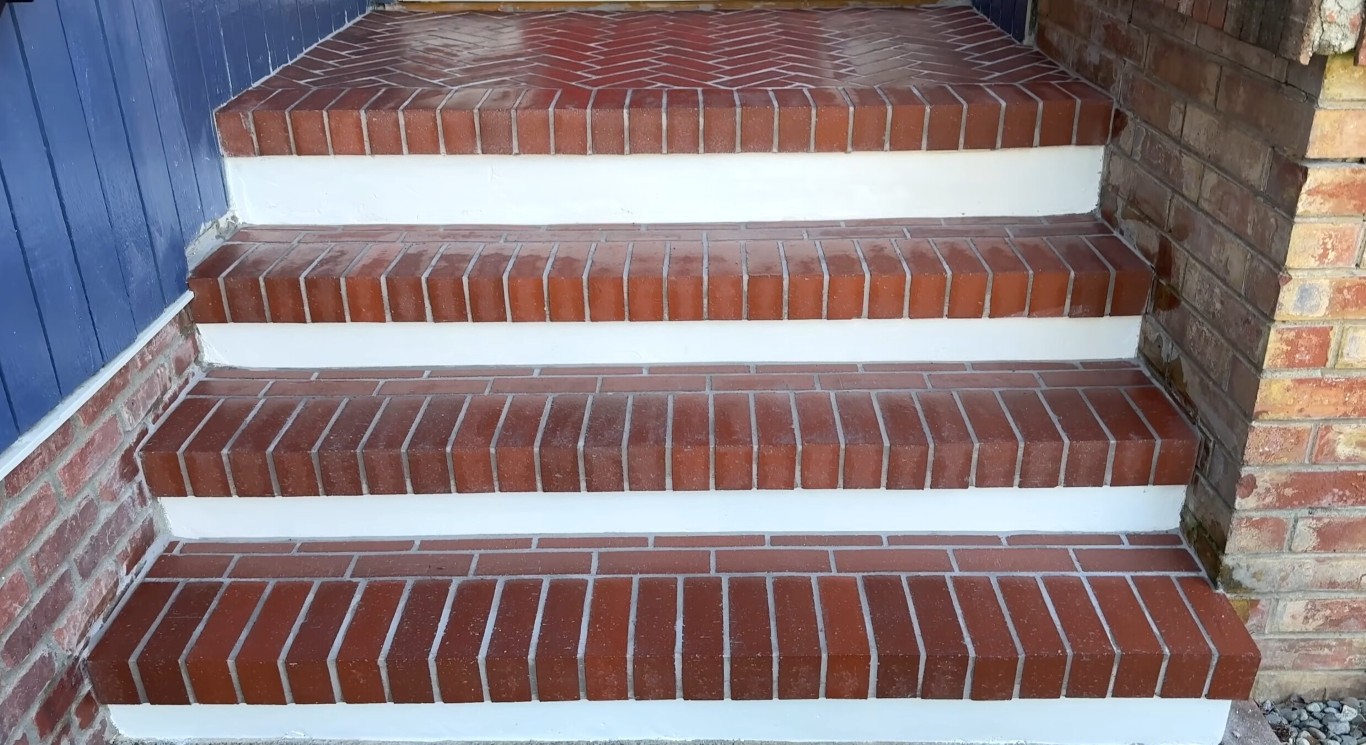
We repair damaged steps and build new ones that combine safety, durability, and timeless beauty for your home.
Why Your Steps Need Professional Attention
Steps take more abuse than almost any other part of your property. Every person who visits your home walks on them. Snow gets shoveled across them. Ice forms on them. Rain runs down them. Temperature swings cause expansion and contraction. This constant stress eventually damages even well-built steps.
In Alaska's climate, step deterioration happens faster than in milder regions. Freeze-thaw cycles are particularly destructive. Water seeps into small cracks, freezes, expands, and makes cracks bigger. Mortar joints break down from moisture and temperature stress. Individual bricks or stones can become loose or sink. What starts as minor cosmetic issues quickly becomes safety hazards.
Damaged steps create real dangers. Loose or uneven treads cause trips and falls. Crumbling edges break away underfoot. Steps that have settled or shifted no longer meet building codes for safe rise and run dimensions. If someone gets injured on your deteriorated steps, you could face liability issues on top of the repair costs you were already avoiding.
Beyond safety, damaged steps hurt your home's appearance and value. Your front steps are often the first thing people notice. Broken, settled, or poorly maintained steps make your entire property look neglected. Well-maintained or newly built steps do the opposite, creating positive first impressions and adding to property values. We've repaired and rebuilt steps throughout the Anchorage area, helping homeowners restore both safety and curb appeal.
Common Step Problems We Fix
Understanding what goes wrong with steps helps you recognize when it's time to call for repairs. Here are the issues we see most often:
Settling and Sinking
Steps often settle unevenly because their foundation wasn't built properly or soil underneath has shifted. You'll notice one side lower than the other, gaps between steps and the landing, or the entire stairway pulling away from your house. Settled steps create tripping hazards and allow water to pool in wrong places. Fixing settlement usually requires removing steps, addressing foundation issues, and rebuilding.
Cracked and Broken Masonry
Individual bricks or stones crack from freeze-thaw damage, impacts, or structural stress. Broken units create rough, dangerous surfaces. Sometimes cracks run through multiple units, indicating more serious structural problems. We assess whether selective replacement handles the issue or if more extensive work is needed.
Deteriorated Mortar Joints
Mortar breaks down faster than brick or stone, especially in horizontal surfaces exposed to weather. Eroded joints let water penetrate behind and underneath steps, accelerating damage. Loose mortar also means individual units can shift or come out. Repointing mortar joints often restores structural integrity and extends step life significantly.
Wobbly or Loose Railings
Railings attach to step structures, so when steps settle or masonry deteriorates, railings become unstable. Loose railings are dangerous and fail to provide the support people expect. We repair both the underlying masonry and railing attachments to ensure everything is solid and safe.
Poor Drainage
Steps need to shed water quickly. When they don't, water sits on surfaces, seeps into joints, and causes accelerated deterioration. Icy conditions become more dangerous. We often need to adjust grading or add drainage features as part of step repairs.
Our Step Repair Process
Successful step repairs address both visible damage and underlying causes. Here's our systematic approach:
First, we thoroughly inspect your steps to understand what's wrong and why. We check foundation conditions, look for signs of water damage, test for loose units, and evaluate overall structural integrity. This assessment determines whether simple repairs will work or if rebuilding makes more sense. We're always honest about what you actually need.
For steps that can be repaired, we carefully remove damaged bricks or stones and deteriorated mortar. We source matching materials so repairs blend seamlessly with existing work. If settlement is an issue, we address foundation problems before reinstalling masonry. We repoint mortar joints throughout to restore structural integrity and water resistance.
Sometimes repairs aren't practical. When damage is extensive, when steps don't meet current code requirements, or when foundation issues are severe, rebuilding delivers better long-term value. We provide honest assessments about repair versus rebuild costs and benefits so you can make informed decisions.
Throughout repair work, we focus on preventing future problems. This means proper drainage, adequate foundations, quality materials rated for Alaska's climate, and skilled craftsmanship. A well-executed repair can add 20 or 30 years of life to your steps.
Building New Steps That Last
When building new steps, we combine functional requirements with aesthetic goals to create entries you'll be proud of for decades.
- Design and planning: We measure carefully and design steps that meet building codes for safe dimensions. We consider how steps connect to your home, where they land, and how they integrate with walkways. Material selection affects both appearance and performance.
- Foundation construction: Steps need substantial foundations below the frost line. We excavate properly, install compacted gravel bases, and pour concrete footings that provide stable, permanent support. Shortcuts on foundations cause most step failures.
- Structural masonry: We build step structures using proper techniques and quality materials. Each tread must be level front to back with slight pitch side to side for drainage. Risers need consistent height. Joints are tooled to shed water. Details matter tremendously.
- Railing installation: If your steps require railings per code (typically when you have more than three risers), we install them securely. Railings must support significant force without moving. We anchor them properly into solid masonry.
- Finishing touches: We seal masonry to protect against moisture and staining. We ensure proper drainage around steps. Final cleanup leaves your property looking immaculate.
New steps transform your home's entry. They're safer, more attractive, and require minimal maintenance for decades. Combined with our other work like masonry repairs and walkway installations, we create welcoming, cohesive approaches to your home.