Chimney Repair & Rebuilding
We fix and rebuild chimneys to keep your home safe, warm, and protected from Alaska's harsh weather.
Why Chimney Maintenance Matters in Alaska
Your chimney works harder in Alaska than almost anywhere else. Long heating seasons mean you rely on your fireplace or wood stove for months at a time. Meanwhile, extreme temperature swings, heavy snow loads, and freeze-thaw cycles beat down on the structure from the outside. This combination of heavy use and harsh conditions makes chimney maintenance essential.
A damaged chimney creates serious risks. Cracks in the masonry or deteriorated mortar joints allow water infiltration. When that water freezes, it expands and causes even more damage. This cycle accelerates quickly, turning small problems into major structural issues. More importantly, chimney damage can create dangerous situations like carbon monoxide leaks or house fires.
Chimneys also face unique stresses in our climate. The exterior masonry freezes while the interior stays hot from fireplace use. This temperature difference creates expansion and contraction that stresses mortar joints and can crack bricks. Snow and ice accumulation on chimney caps adds weight and traps moisture. Wind-driven rain and melting snow find every tiny opening and work their way inside.
Regular chimney inspections catch problems early when repairs are straightforward and affordable. Waiting until you notice obvious damage usually means the problem has progressed significantly. We recommend having your chimney inspected annually, especially if you use it regularly during heating season. This simple step prevents expensive repairs and keeps your family safe.
Common Chimney Problems We Repair
After years of working on chimneys throughout the Anchorage area, we've seen nearly every type of chimney problem. Here are the issues we repair most often:
Cracked or Damaged Masonry
Cracks in chimney bricks or stones typically start small but grow quickly. Vertical cracks often indicate foundation settlement or freeze-thaw damage. Horizontal cracks might signal structural stress or failing mortar. Either way, cracks let water and cold air penetrate your chimney, causing accelerated deterioration. We assess each crack to determine its cause and implement repairs that address both the symptom and underlying problem.
Deteriorated Mortar Joints
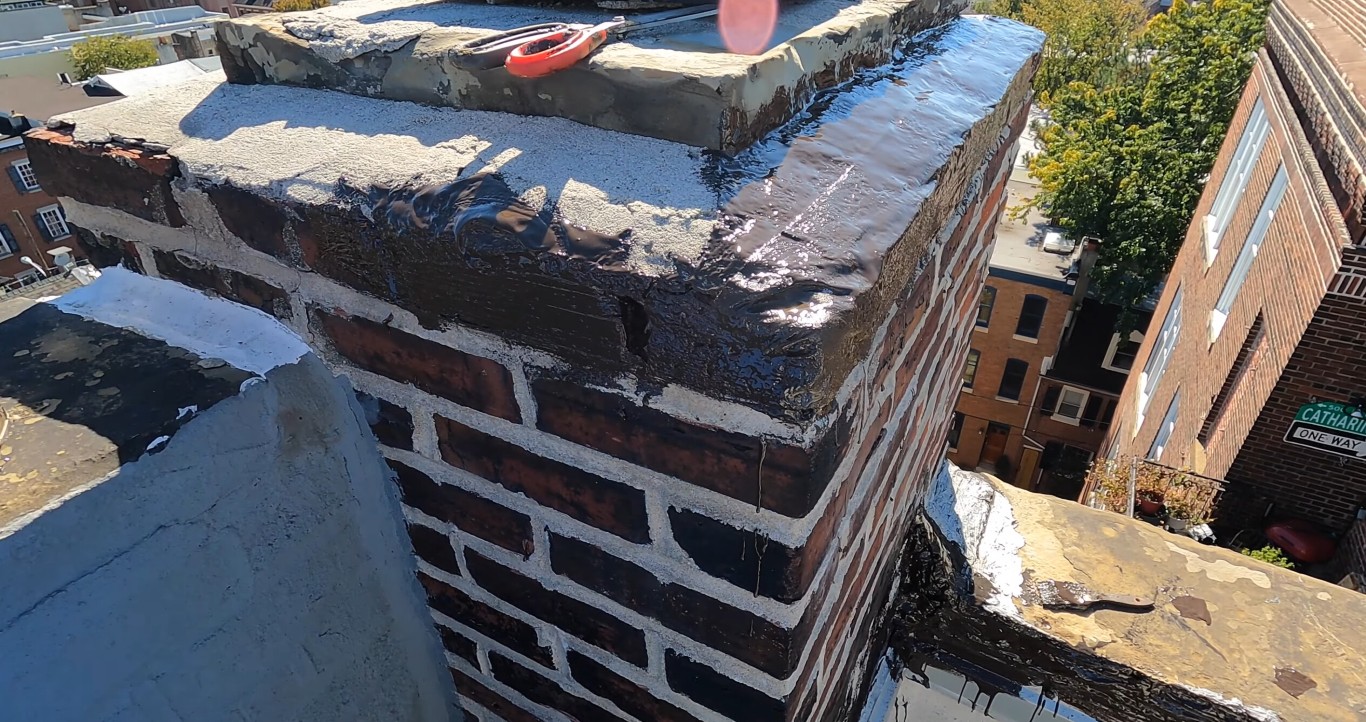
Mortar between chimney bricks breaks down faster than you might expect in Alaska's climate. Eroded mortar joints compromise structural integrity and create pathways for water infiltration. This is one of the most common chimney issues we see, and fortunately, it's repairable through professional tuckpointing. We remove old mortar and replace it with fresh material designed to withstand temperature extremes and moisture exposure.
Chimney Crown Damage
The chimney crown is the concrete or mortar cap at the top of your chimney. It sheds water away from the flue opening and protects the masonry below. Cracks in the crown let water run down inside the chimney structure, causing rapid deterioration. We repair minor crown damage and rebuild severely damaged crowns to restore proper water protection.
Flashing Failures
Flashing is the metal seal where your chimney meets the roof. It prevents water from leaking into your home around the chimney base. Over time, flashing can corrode, separate from the chimney, or develop gaps. Failed flashing causes water damage to roof decking, attic spaces, and interior walls. We remove old flashing and install new metal flashing with proper sealing and counter-flashing techniques.
Leaning or Unstable Chimneys
A chimney that leans or shows signs of instability is a serious safety concern. This usually indicates foundation problems, structural damage, or that the chimney wasn't built properly in the first place. Leaning chimneys require immediate attention. Depending on severity, we might reinforce the existing structure or recommend rebuilding for safety.
Our Chimney Repair Process
Quality chimney repairs require careful assessment and skilled workmanship. We follow a proven process that ensures lasting results and your safety.
Every project starts with a thorough inspection. We examine your chimney from top to bottom, inside and out. This includes checking the chimney crown, flue liner, mortar joints, brick condition, flashing, and structural stability. We also look for water damage, efflorescence (white mineral deposits), and signs of previous repairs. This complete assessment helps us understand exactly what's wrong and what needs to be fixed.
After inspection, we provide a detailed explanation of problems we found and recommend solutions. We prioritize repairs based on safety and urgency. Some issues need immediate attention while others can wait. You get clear pricing for recommended work so you can make informed decisions about your chimney.
Repair work itself varies based on the specific problems. For mortar deterioration, we perform tuckpointing to restore joints. Damaged bricks get removed and replaced with matching units. Chimney crowns may be patched or fully rebuilt. Flashing gets replaced with new metal properly sealed against both chimney and roofing. Throughout the process, we take care to match existing materials and maintain your chimney's appearance.
For chimneys needing extensive work or complete rebuilds, we dismantle the damaged structure carefully and rebuild from the foundation up. This ensures proper structural design, correctly sized flue, appropriate materials, and compliance with current building codes. A rebuilt chimney performs better and lasts longer than patching a severely compromised structure.
When Rebuilding Makes More Sense Than Repair
Sometimes chimney damage is so extensive that rebuilding is more practical and economical than trying to patch everything together. Understanding when to rebuild helps you make smart decisions about your chimney.
- Widespread masonry damage: If more than 25% of your chimney's bricks are cracked, spalling, or deteriorated, rebuilding often costs less than extensive repairs.
- Structural instability: Leaning chimneys or those with foundation problems need rebuilding to ensure safety and proper function.
- Flue liner issues: If the clay flue liner is cracked or damaged throughout, rebuilding allows proper liner replacement that would be difficult in an existing structure.
- Code compliance: Older chimneys may not meet current building codes. Rebuilding brings everything up to modern safety standards.
- Repeated repair needs: If you've had your chimney repaired multiple times and problems keep returning, the underlying structure may be compromised beyond practical repair.
We provide honest assessments about whether repair or rebuilding makes more sense for your situation. Our goal is to give you a safe, functional chimney that lasts for decades, not to upsell unnecessary work. Many chimneys can be successfully repaired if caught early enough. Others genuinely need rebuilding for safety and longevity.
Our masonry services include both chimney repair and complete rebuilds. We handle every aspect from permits through final cleanup. If your chimney needs tuckpointing or brick restoration, we integrate that work seamlessly into chimney projects.