Retaining Wall Design & Installation
We design and build retaining walls that handle Alaska's challenging terrain while enhancing your property's beauty and value.
Why Retaining Walls Matter in Alaska
Alaska's landscape presents unique challenges for property owners. Sloped yards, erosion from heavy snow melt, and unstable soil conditions make retaining walls more than just decorative features. They're essential structures that protect your property and create usable outdoor space.
When spring arrives and snow starts melting, thousands of gallons of water flow downhill across your property. Without proper retaining structures, this water carries away topsoil, undermines foundations, and creates dangerous erosion channels. A well-designed retaining wall redirects water flow, holds soil in place, and prevents damage to your home and landscaping.
Retaining walls also transform unusable sloped areas into functional spaces. That steep hillside becomes a level patio, garden bed, or play area. Properties with challenging topography gain valuable square footage and improved curb appeal. We've helped countless Anchorage homeowners turn problematic slopes into assets.
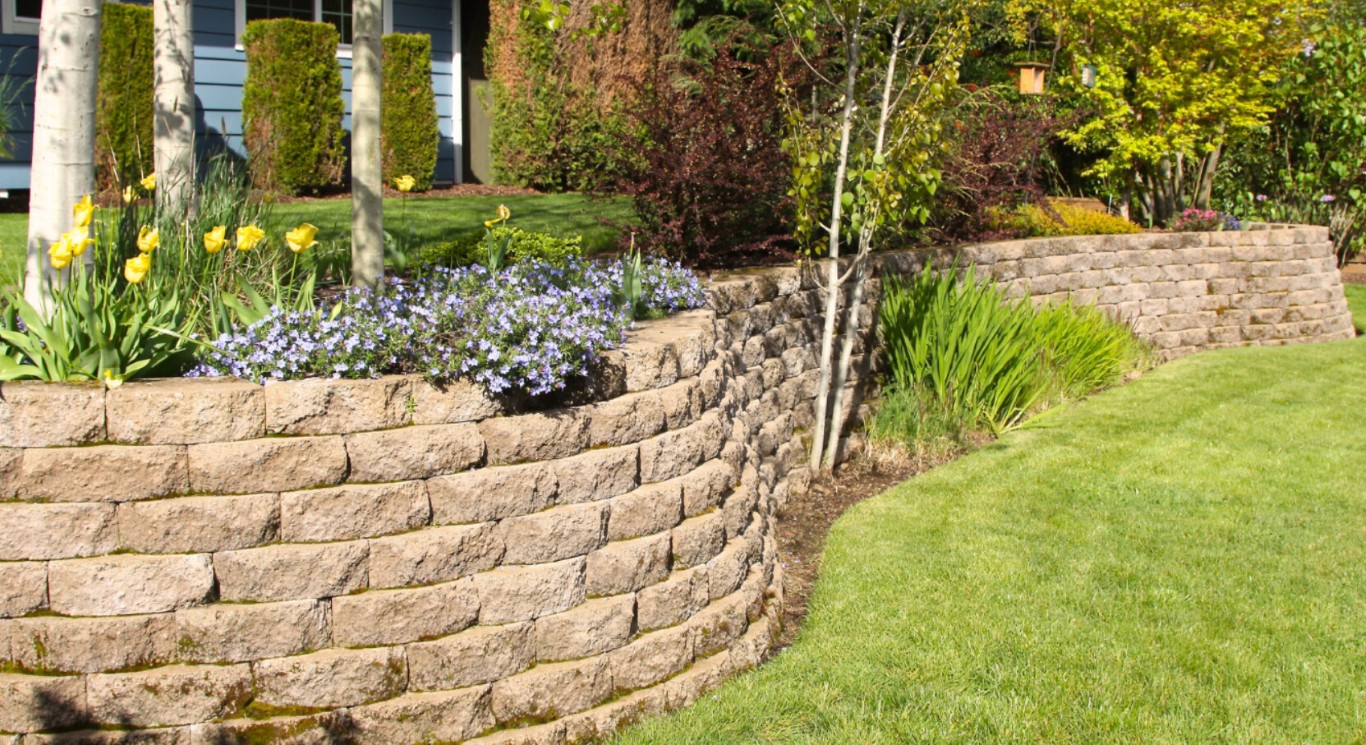
Beyond practical benefits, retaining walls add significant aesthetic value. Natural stone walls blend beautifully with Alaska's rugged landscape. They create visual interest, define outdoor living areas, and increase property values. Whether you need a simple garden wall or an extensive terraced system, the right retaining wall enhances both function and beauty.
Types of Retaining Walls We Build
Different sites require different retaining wall solutions. We design and install several types, each with specific advantages for Alaska conditions.
Natural Stone Retaining Walls
Natural stone walls offer unmatched beauty and durability. We source locally available stone that complements Alaska's natural environment. These walls can be dry-stacked (without mortar) for drainage and flexibility, or mortared for maximum strength. Stone walls handle freeze-thaw cycles exceptionally well and can last for generations with minimal maintenance. They're ideal for residential properties where aesthetics matter as much as function.
Concrete Block Retaining Walls
Engineered concrete blocks provide excellent structural performance at a lower cost than natural stone. Modern blocks come in various colors and textures that mimic natural stone or offer clean contemporary looks. These walls are reinforced with steel and properly drained to handle heavy loads and wet conditions. They're perfect for taller walls or areas needing maximum structural strength.
Brick and Masonry Walls
Brick retaining walls create a refined, formal appearance that complements traditional architecture. We build these walls with proper footings, drainage systems, and reinforcement to ensure long-term stability. While brick requires more maintenance than stone in Alaska's climate, properly constructed brick walls deliver decades of reliable service. These work especially well for shorter decorative walls around patios or garden beds.
Terraced Wall Systems
When dealing with significant elevation changes, terraced walls are often the best solution. Multiple shorter walls stepping down a slope are more stable and less expensive than one tall wall. They also create interesting landscape features with planting areas between tiers. We design terraced systems that manage water flow effectively while creating functional outdoor spaces at each level.
Our Design and Installation Process
Building retaining walls that last requires careful planning and skilled execution. We follow a proven process that accounts for Alaska's specific challenges.
First, we assess your site thoroughly. We examine soil conditions, evaluate drainage patterns, measure elevation changes, and identify any underground utilities. This site analysis determines what type of wall will work best and how it needs to be engineered. We also discuss your goals, whether that's creating level lawn space, preventing erosion, or adding landscape features.
Next, we design your wall system. This includes determining wall height and length, calculating required base width, planning drainage systems, and selecting materials. For walls over four feet tall or those holding significant loads, we bring in engineering calculations to ensure structural adequacy. We provide detailed drawings so you can visualize the finished project.
Installation starts with proper excavation and base preparation. We dig below the frost line to prevent frost heaving, which is critical in Alaska. A compacted gravel base provides stable footing and initial drainage. We install drainage pipes and filter fabric behind the wall to manage groundwater pressure, one of the biggest threats to retaining wall stability.
Then we build the wall itself, paying close attention to proper techniques. Each course is leveled and secured. Backfill is placed in layers and compacted to prevent settling. For mortared walls, we use cold-weather mortar mixes during shoulder seasons. The final result is a structurally sound wall that will perform reliably for decades.
Critical Factors for Long-Lasting Retaining Walls
Several factors determine whether a retaining wall succeeds or fails in Alaska's environment. Understanding these helps you appreciate why professional installation matters.
- Proper drainage: Water buildup behind retaining walls creates hydrostatic pressure that can push walls over. We install drainage pipes, weep holes, and filter fabric to keep water moving away from the wall.
- Adequate foundation: Walls need footings below the frost line to prevent frost heaving. Shallow foundations fail when freeze-thaw cycles lift and shift them.
- Correct materials: Not all stone or block performs well in cold climates. We select materials rated for freeze-thaw resistance and use appropriate mortars.
- Structural design: Taller walls need reinforcement, proper base width, and sometimes tie-backs into the slope. Engineering ensures walls can handle the loads they'll face.
- Quality construction: Level courses, proper compaction, and attention to detail during installation determine how well walls perform long-term.
We see many DIY and poorly built retaining walls fail within a few years. Common problems include inadequate drainage, shallow foundations, improper base preparation, and walls built too tall without reinforcement. These failures are expensive to fix because the entire wall often needs to be rebuilt.
Our professional masonry services ensure your retaining wall is built right the first time. We handle everything from design through final cleanup, and we stand behind our work. If you're also considering other landscape features, we can integrate retaining walls with custom stone patios or walkways for a cohesive outdoor design.