Loading...
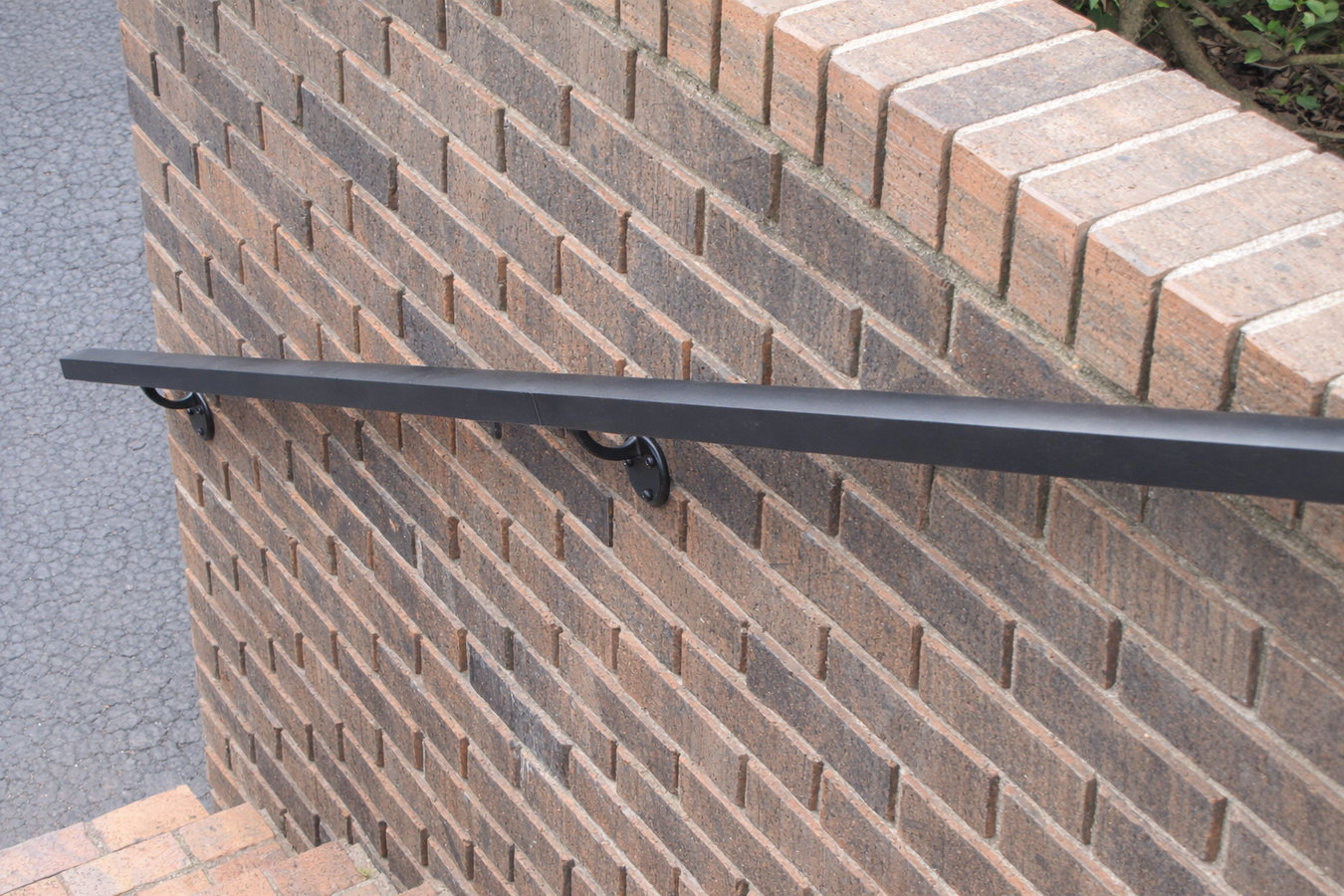
A brick wall that was not built for Anchorage winters will crack and shift within a few years. We install brick walls on frost-depth footings with seismic reinforcement so yours stands straight and solid for the long term.
Brick wall installation in Anchorage means laying individual bricks one row at a time with mortar on top of a concrete footing poured below the frost line - most projects take one to three days for a short garden wall, or one to three weeks for larger boundary or structural walls, not counting the curing period afterward.
Brick walls built in Anchorage face two challenges that most contractors in the Lower 48 never have to think about: frost lines that can reach five feet deep, and one of the most seismically active settings in North America. Get either of those wrong and a wall that looks good on day one will be cracked and leaning within a few winters. A mason who has worked here knows that every wall starts with a footing that goes well below the freeze depth, and that the brick itself needs to be rated for severe freeze-thaw exposure - a denser grade that sheds water rather than absorbing it. If mortar repairs are ever needed on the wall years down the road, that work connects naturally to our brick repair service.
AKM Anchorage Masonry installs brick walls throughout Anchorage and the surrounding region. We handle the Municipality of Anchorage permit process as part of every project that requires one, and we provide a written estimate before any work begins.
If a wall that used to stand straight now looks like it is tilting - even slightly - the footing underneath has shifted. In Anchorage, this almost always traces back to frost heave: the ground freezing and expanding in winter, then thawing and settling in spring, year after year. A leaning wall will not fix itself, and the longer it goes, the more expensive the repair or replacement.
Those white deposits are efflorescence, and they mean water is moving through your wall. In Anchorage's wet shoulder seasons, this is a common early warning sign. It does not mean the wall is about to fail, but moisture working through masonry in a freeze-thaw climate will eventually crack the brick or mortar if it is not addressed.
Run your finger along the mortar joints on an older wall. If the material crumbles away easily or you can see gaps where mortar used to be, the wall has lost its weatherproofing. This is especially common on Anchorage homes built before the 1980s, where original mortar has survived decades of freeze-thaw cycles.
Hillside and sloped lots are common in parts of Anchorage, and a retaining wall built from brick can hold back soil, redirect water, and prevent the slow erosion that damages landscaping and foundations over time. If you are noticing soil washing down toward your home or driveway after heavy rain or snowmelt, a brick retaining wall may be the right long-term fix.
Every brick wall we install starts with a concrete footing poured below Anchorage's frost depth - around 60 inches in a hard winter. This is non-negotiable: a footing that is too shallow will slowly be pushed out of alignment by the freeze-thaw cycle, no matter how good the brickwork above it is. We use brick rated for severe weathering exposure, which is denser and absorbs less water than standard brick - the right grade for a climate where moisture inside masonry freezes every winter. For taller walls or walls in locations that will bear significant lateral load, we include steel reinforcement running through the structure as part of the design. For homeowners who also need broader masonry structure work, we can coordinate brick wall installation alongside a stone masonry project for a unified result across your property.
We build garden walls, boundary walls, retaining walls, and entry columns - any masonry wall project that benefits from the durability and long-term value of brick construction. Permits are required for most brick wall projects in Anchorage, and we handle the application and inspection process with the Municipality of Anchorage as part of every project. All written estimates break down labor, materials, permit costs, and footing work separately so you can see exactly what you are approving. If the wall will eventually need ongoing maintenance like mortar repointing, that future work falls under our brick repair service - something to keep in mind when planning your long-term maintenance schedule.
Suits homeowners who want to define property edges or create outdoor spaces with a permanent, low-maintenance structure that holds up through Anchorage winters.
Suits homeowners with sloped lots or grade changes - brick retaining walls hold back soil and redirect drainage on Anchorage hillside and residential properties.
Suits homeowners who want to add structure and curb appeal to a driveway entrance or gate - built on frost-depth footings for year-round stability.
Suits homeowners adding a home addition or outbuilding that requires a structural masonry wall with reinforced footing and seismic design considerations.
Anchorage sits in one of the most seismically active regions in North America - the 1964 Good Friday Earthquake caused catastrophic ground failure in several neighborhoods, and the region continues to experience regular seismic activity. A brick wall built without seismic reinforcement in mind is vulnerable to cracking and displacement during even a moderate event. Experienced Anchorage masons incorporate reinforcement strategies and mortar mixes that allow the structure to move slightly with the ground rather than fracturing against it. On top of that, the frost line here goes deeper than almost any major city in the country, and the short construction season - roughly late May through September - means scheduling is competitive. Brick and other materials also carry a freight premium because they have to be shipped to Anchorage by barge or air.
Homeowners across the region deal with the same set of conditions. In communities like Wasilla and Palmer, frost depth and freeze-thaw cycles are just as demanding as they are in Anchorage proper, and the same footing and material standards apply. We serve all of these communities and bring the same standards to every project regardless of location. Reaching out early in the year - before the season opens - gives you the best chance of getting your project scheduled for the coming summer.
We ask a few basic questions - what kind of wall, where on the property, and roughly how large. We respond within one business day and let you know whether we need a site visit before putting numbers together.
We visit your property to check ground conditions, measure the area, and identify any site-specific factors like drainage or neighboring structures. Within a few days you receive a written estimate that breaks down labor, materials, and permit costs - every line itemized.
For most brick wall projects in Anchorage, we file the required permit with the Municipality of Anchorage before work begins. Permits typically take one to two weeks. Once the permit is issued and your project is on our schedule, you receive a confirmed start date in writing.
The crew pours the footing, allows it to cure, then begins bricklaying one course at a time. After the wall is complete, we clean up, coordinate the city inspection, and walk you through the curing period - fresh mortar reaches full strength after about 28 days, so avoid attaching heavy loads to the wall before then.
We respond within one business day. Free written estimate with a full cost breakdown, no obligation.
(907) 615-8067We pour every brick wall footing below Anchorage's frost line - around 60 inches deep in the hardest winters. This is the single most important factor in whether a wall holds up long-term, and we never skip it to save time or cost on an estimate.
We specify brick rated for severe freeze-thaw exposure on every Anchorage project. Denser, lower-absorption brick costs a bit more, but it is the only grade that holds up through repeated freezing and thawing without cracking. A lower quote that uses standard-grade brick is not actually a better deal here.
We hold an active Alaska contractor registration and carry liability coverage on every job across the 12 communities we serve, from Anchorage to Homer. You can verify our license through the Alaska Division of Corporations licensing database before you sign anything.
Anchorage experiences regular seismic activity, and we account for that in every wall we build. Properly reinforced mortar mixes and structural reinforcement where needed allow the wall to move with the ground rather than fracture against it - something a mason without local Anchorage experience may not think to address.
Every brick wall project we take on is built to the same standard: the right footing depth, the right brick grade, proper seismic reinforcement, and a permit pulled before work begins. That combination is what it takes to build a wall that actually lasts in Anchorage.
Common questions about brick wall costs, permits, and materials in Anchorage are answered here. For project-specific questions, call us or submit a request and we will get back to you within one business day. The Brick Industry Association and the Alaska Seismic Hazards Safety Commission both publish guidance relevant to masonry construction in Alaska.
Pair a new brick wall with natural stone masonry work elsewhere on your property for a cohesive, long-lasting outdoor structure.
Learn more about Stone masonryMortar repointing, brick replacement, and structural repairs for existing walls - the right follow-up service when a wall needs attention years down the road.
Learn more about Brick repairThe masonry window runs from late May through September, and skilled contractors book up fast. Reach out now for a free written estimate - the sooner you call, the better your chances of a summer start date.