Loading...
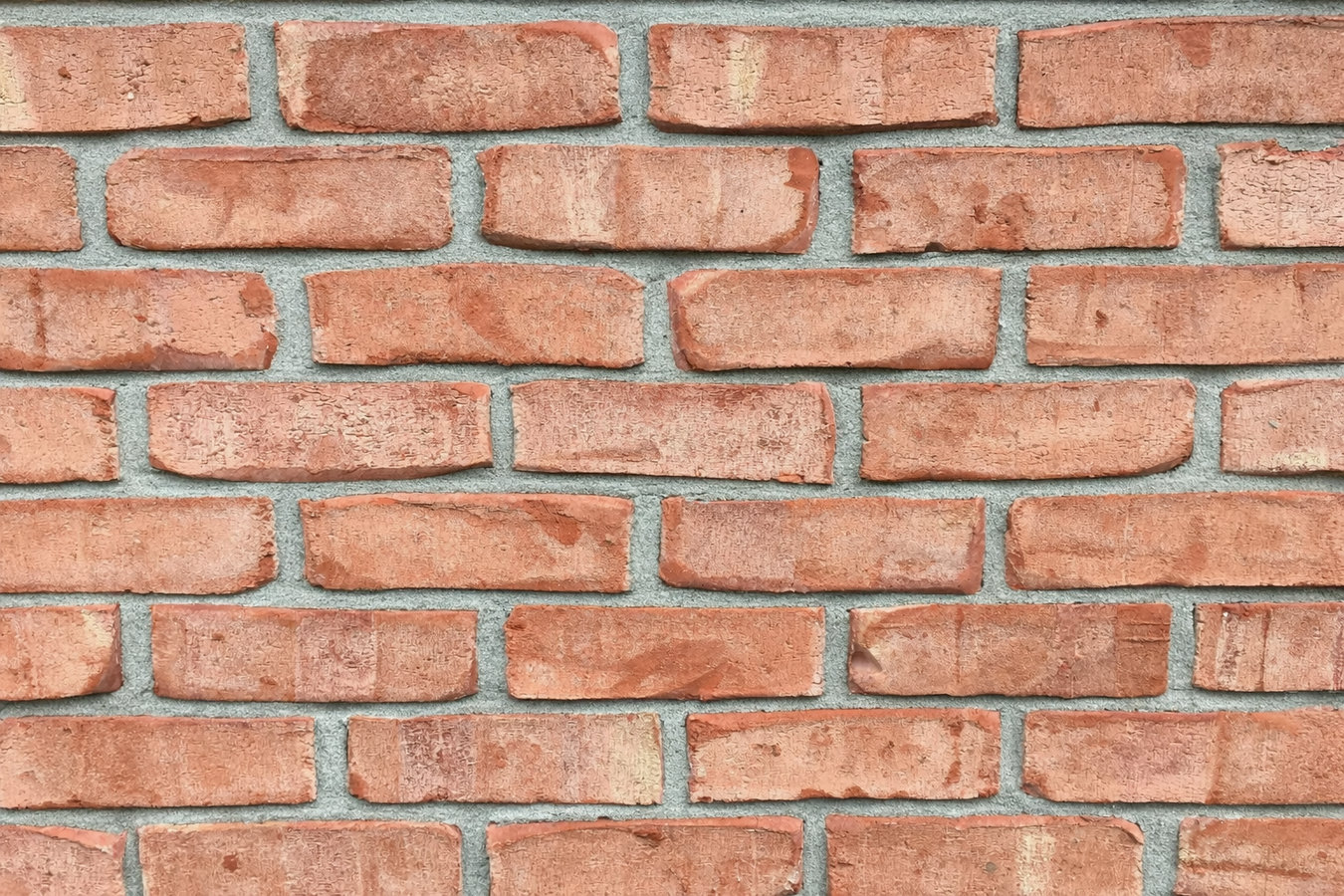
Crumbling mortar lets water into your brick and stone. We remove the failing material and repoint it with a mortar mix that holds through Anchorage winters, freeze-thaw cycles, and earthquake activity.
Tuckpointing in Anchorage means removing crumbling mortar from brick or stone joints and packing in fresh mortar that seals out water - most residential jobs take one to three days and leave the bricks themselves untouched.
If you have run your finger along the mortar joints on your chimney or exterior wall and felt it crumble away, that mortar has already lost its ability to keep water out. In Anchorage, where temperatures cross the freezing point dozens of times each winter, deteriorated mortar gets worse fast. Every time water works into a gap and freezes, the joint opens a little more. Tuckpointing catches that cycle early, before it turns into a bigger structural problem. If you also have visible brick damage, we often pair tuckpointing with brick repair to address both issues in one visit.
AKM Anchorage Masonry works on chimneys, exterior walls, retaining structures, and brick veneer throughout Anchorage and the surrounding region. We match the mortar color and joint profile to what is already there, so the finished work looks consistent - not patched.
Run your finger along the mortar joints on your chimney or exterior brick wall. If the mortar feels soft, sandy, or falls away with light pressure, it has lost its ability to keep water out. In Anchorage's climate, deteriorated mortar will get worse fast once the next freeze-thaw season begins.
A chalky white residue on the face of your bricks - called efflorescence - means water is moving through the wall and carrying mineral salts to the surface. In Anchorage, where snowmelt and rain regularly push moisture against masonry, this staining is a reliable early warning that your mortar joints are no longer doing their job.
If you can see dark gaps, holes, or sections where mortar has fallen out entirely, water is entering the wall every time it rains or snows. In Anchorage, that water will freeze inside the wall over winter and cause damage that goes well beyond the mortar joints themselves.
Anchorage experiences frequent seismic activity, and even a moderate quake can open new cracks in mortar joints that were previously holding. If you noticed cracking or shifting in your chimney or masonry walls after a recent tremor, have a masonry contractor look before the next winter season.
Tuckpointing is not one-size-fits-all. Chimneys, exterior brick walls, retaining structures, and stone veneer each have different joint profiles, mortar types, and access requirements. We assess the full picture before we quote anything, so the mortar mix and method we use are right for your specific wall - not just whatever is easiest. When we discover related issues during the job, like cracked or loose bricks, we can often address brick repair at the same time.
For homeowners whose chimneys need more than just repointing, we also offer full brick pointing services, which address the mortar joints across a broader surface or in areas where the original pointing was never completed to standard. We use mortar mixes matched to Anchorage's climate - not generic bags from a big-box store - and we time work to avoid near-freezing nights in the forecast.
Suits chimneys with crumbling crown mortar, open joints, or efflorescence - the most common tuckpointing job in Anchorage, where chimney exposure accelerates mortar wear.
Suits brick veneer, stone, and structural exterior walls where mortar has deteriorated across a larger surface area and needs systematic removal and replacement.
Suits brick and stone retaining walls where freeze-thaw pressure and soil movement have opened joints, creating water infiltration and potential structural weakness.
Suits homes where damage is localized - a section of chimney, a single wall panel, or a small area identified after an earthquake - and a full-scale repoint is not needed.
Anchorage experiences some of the most punishing freeze-thaw cycles in the country, with temperatures crossing the freezing point dozens of times each winter. Every time water trapped in a mortar joint freezes, it expands and pushes the mortar apart a little more. Add in the seismic activity that regularly rattles mortar loose in chimneys and walls, and you have conditions that are genuinely harder on masonry than almost anywhere in the Lower 48. Older Anchorage neighborhoods like Spenard, Mountain View, and South Addition have homes built in the 1950s through 1970s - masonry in those structures has been through 50 or more Alaskan winters, and the original mortar is often well past its useful life. The Brick Industry Association notes that quality tuckpointing should last 20 to 30 years - but only when the correct mortar mix is used for the climate.
We work across Anchorage and the broader region. Homeowners in Wasilla and Palmer face the same freeze-thaw and seismic conditions as Anchorage, and we bring the same approach to every job - a mortar mix selected for the wall type, proper curing time built into the schedule, and work timed to avoid any risk of a fresh joint freezing before it sets.
When you contact us, we ask a few basic questions - what type of masonry, roughly how large the area, and what you have noticed. Because the Anchorage working season is short, we respond within one business day and get you on the schedule before summer fills up.
We come out to look at the wall or chimney before quoting anything. We check how deep the mortar damage goes, whether the bricks are still solid, and whether access requires scaffolding. You get a written estimate that explains scope, materials, timeline, and total cost - no verbal-only quotes.
On the work day, the crew grinds or chisels out the old mortar to a proper depth - typically three-quarters of an inch. Fresh mortar is then packed in by hand and tooled smooth to match the original joint profile. Expect noise during the grinding phase; the rest of the job is quiet.
We clean debris from your landscaping and siding, then walk you through the finished work. Fresh mortar needs 24 to 48 hours before it gets wet and several weeks to reach full strength. We time work to avoid near-freezing nights in the forecast so your repair cures properly.
Free written estimate. We respond within one business day. No pressure, no commitment.
(907) 615-8067We select mortar mixes based on your wall type and the freeze-thaw exposure it faces - not whatever is cheapest or easiest to mix on site. Using a mortar that is too hard for your bricks can cause the bricks themselves to crack, a far more expensive problem than what we came to fix.
Anchorage's tuckpointing window runs roughly late May through early September. We plan every job around the forecast so fresh mortar has at least 48 hours above freezing to start curing. If temperatures drop unexpectedly, we cover fresh work - we do not leave it to chance.
We inspect the full joint system when we assess a job, looking for patterns that suggest seismic movement as well as freeze-thaw wear. Anchorage experiences both, and missing earthquake-related damage while fixing weather-related damage leaves the root problem unaddressed.
The Mason Contractors Association of America sets quality standards for joint finishing - we tool and profile every joint to match what is already there. The finished work should look consistent from a few feet away, not like a row of obvious repairs against your original brickwork.
Every one of these things matters more in Anchorage than in a mild-weather city. We built our process around this climate, and homeowners here can tell the difference when they see the finished joints and get through the next winter without new damage.
When the bricks themselves are cracked, spalling, or loose - not just the mortar between them - brick repair addresses the damage at the source.
Learn more about Brick repairComprehensive mortar joint work across larger surfaces or structures where the original pointing needs to be redone to a consistent standard.
Learn more about Brick pointingAnchorage's working season is short and contractors fill their schedules fast in June and July - contact us now to lock in your date and protect your masonry before the next freeze.