Loading...
AKM Anchorage Masonry is the Masonry Contractor Soldotna homeowners rely on for foundation repair, tuckpointing, and concrete block work on Kenai Peninsula properties. We have served the Soldotna area since 2023 and understand the freeze-thaw cycles, the Kenai River moisture zone, and the aging 1960s-1990s housing stock that make masonry here different from a standard Interior Alaska job.
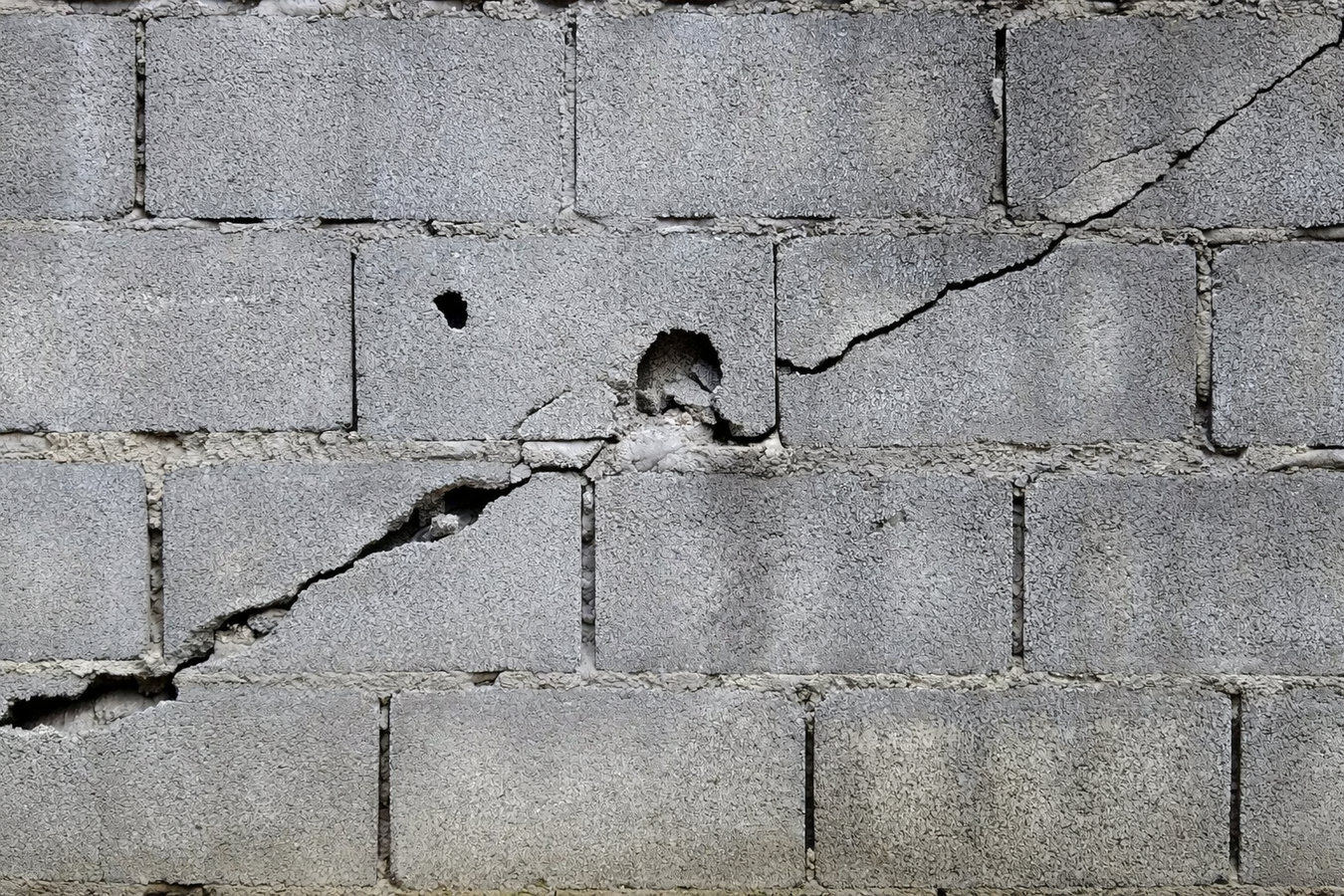
Soldotna homes built between the 1960s and 1990s on crawl spaces and shallow slabs are now at the age where frost heave, clay soil movement, and Kenai River moisture show up as cracked foundations and uneven floors. Our foundation repair work addresses the underlying cause - saturated soil and freeze-thaw pressure - not just the visible crack, so the fix holds through the next freeze cycle and the one after that.
Soldotna averages 70 to 80 inches of snow a year, and that moisture cycle is relentless on mortar joints. When water gets behind deteriorated mortar and freezes, it forces bricks apart from the inside. Replacing failed mortar before that cycle gets into the masonry itself costs a fraction of what a full wall repair runs - and Soldotna homeowners who wait a winter or two usually end up with a bigger project than they planned for.
The Kenai Peninsula heating season runs October through April, and Soldotna chimneys absorb six months of near-constant use every year. The extreme cold followed by above-freezing spring temperatures creates rapid mortar expansion and contraction - a cycle that opens cracks faster here than in most other markets in the state. Getting mortar joints and chimney crowns checked before the heating season starts is the most cost-effective time to catch problems.
Soldotna properties with large, wooded lots often need utility walls, property dividers, and storage enclosures that can handle a heavy snow load and prolonged ground saturation without shifting. Concrete block walls built with footings set below the local frost line hold their shape through the wet Kenai Peninsula spring thaw where lighter timber structures tend to lean and settle.
Properties near the Kenai River and along sloped terrain around Soldotna deal with significant spring meltwater moving across and through the soil. A masonry retaining wall built with proper drainage behind it manages that water load without the wall tilting forward - a common failure point on Kenai Peninsula properties where walls were installed without adequate gravel backfill and weep holes.
Poured concrete walkways on Soldotna properties crack and heave within a few winters when they are not installed with a proper gravel base and control joints that give the slab room to move. On clay-heavy soils common throughout the Soldotna area, a masonry walkway that accounts for freeze-thaw expansion stays level and safe - and does not become a trip hazard by the time spring arrives each year.
Soldotna sits at around 150 feet of elevation on the central Kenai Peninsula, where annual snowfall averages 70 to 80 inches and the ground cycles through repeated freeze-thaw events every fall and spring. The clay-heavy soils throughout much of the area retain water and expand significantly under frost pressure - more than the sandy or gravelly ground you find in drier Interior Alaska communities. When that expansion lifts a foundation footing, pushes against a retaining wall, or forces water into a mortar joint, the results accumulate season after season. A contractor who has not worked on Kenai Peninsula properties will underestimate how deep footings need to go and how much drainage detail is required to keep a masonry structure stable in this climate.
The proximity of the Kenai River adds a layer that most masonry markets in Alaska do not have. Properties close to the river - and many Soldotna homes are within a few blocks of it - deal with elevated water tables, seasonally saturated ground, and drainage that never fully dries between spring snowmelt and fall rain. Crawl spaces and shallow slab foundations on these lots absorb moisture from below as well as from the surface. Homes built from the 1960s through the 1990s, which make up most of the Soldotna housing stock, were not designed with today's understanding of how persistently wet ground affects concrete and mortar over a 40- or 50-year lifespan.
We pull building permits for structural masonry work through the City of Soldotna and know their permit review timeline. Soldotna is an incorporated city - unlike unincorporated communities on the Kenai Peninsula - which means permits go through city community development, not the borough office. We build that lead time into every project schedule so it does not delay your start date.
The Sterling Highway runs through the center of Soldotna and connects most of the residential neighborhoods we work in - from homes near Soldotna Creek Park to larger lots out toward the Funny River Road corridor. Many of these properties sit on large wooded lots with spruce and birch close to the house, which affects drainage patterns and root proximity to foundation work. We account for both when planning excavation and drainage.
We also serve neighboring Kenai, which is about 11 miles to the north along the Kenai Spur Highway. Homeowners in Kenai deal with many of the same soil and moisture conditions as Soldotna, and our crew is in that area regularly. If you are in the broader central Kenai Peninsula area and are not sure which contractor to call, we are likely already working near you.
You describe what you are seeing - cracked concrete, a shifting wall, mortar falling out - and we ask a few questions to understand the scope. We reply within one business day to confirm a site visit. Soldotna summers book quickly, so calling in late winter or early spring puts you ahead of the seasonal rush.
We come to your property and look at the full picture - not just the visible damage but the drainage, soil conditions, and age of the masonry. You receive a written estimate that breaks down what needs to happen and why, including whether a City of Soldotna building permit is required. No pressure to decide on the spot.
The crew arrives on the scheduled date, works through the repair or installation, and cleans up the site each day before leaving. Most foundation repair and tuckpointing jobs in Soldotna wrap in one to three days. You do not need to be home for every hour, but being reachable in case we find something unexpected is helpful.
When the work is complete, we walk you through exactly what was done, show you the repaired areas, and explain what to watch for going forward. We provide written documentation of the work. If a permit was pulled, we coordinate the city inspection and let you know when it is scheduled.
We serve Soldotna and the surrounding Kenai Peninsula area. Free estimates, written quotes, and no pressure to decide on the spot. Call or fill out the form and we will get back to you within one business day.
(907) 615-8067Soldotna is a city of about 4,500 people on the central Kenai Peninsula, roughly 150 miles south of Anchorage at the junction of the Sterling Highway and Kenai Spur Highway. The city functions as the main commercial hub for the surrounding area, drawing residents from Sterling, Funny River, and Kasilof for shopping, healthcare at Central Peninsula Hospital, and services. The Kenai River, which runs directly through town, is one of the most famous salmon fishing rivers in the world and defines Soldotna's identity as much as any other single feature - it is why most people who have heard of the city know of it. According to the city's history, Soldotna was incorporated in 1960, and much of its housing stock was built in the decades that followed as the Kenai Peninsula grew.
Most Soldotna neighborhoods are single-family residential, with homes on modest to large wooded lots - a quarter acre up to several acres in areas toward the Funny River Road corridor. The city has a mix of year-round family homes and seasonal cabins along the river, and a high owner-occupancy rate typical of a working town where people put down roots for the long term. Homeowners here tend to be practical and cost-conscious - they want work done right the first time, not patched and revisited two winters later. The nearby city of Kenai is about 11 miles north and shares many of the same property types and climate conditions, and we serve both communities.
Structural foundation repair to protect your home from settling, cracking, and water intrusion.
Learn moreProfessional chimney repair services restoring safety, function, and curb appeal.
Learn morePrecision tuckpointing to refresh deteriorating mortar joints and extend masonry life.
Learn moreExpert brick repair replacing damaged or spalling bricks and restoring structural integrity.
Learn moreCustom driveway paver installation combining durability with lasting visual appeal.
Learn moreEngineered retaining walls that hold soil, manage drainage, and define outdoor spaces.
Learn moreFull masonry restoration bringing aging brick, stone, and block structures back to life.
Learn moreMasonry fireplace installation built to code for warmth, safety, and timeless style.
Learn moreStone veneer installation that adds natural texture and dimension to any surface.
Learn moreSolid concrete block wall construction for fencing, foundations, and commercial applications.
Learn moreFoundation block wall installation providing a stable, moisture-resistant base for structures.
Learn moreCustom outdoor kitchen masonry built to withstand Alaska weather while looking great.
Learn moreDurable walkway construction in brick, stone, or pavers that stands up to freeze-thaw cycles.
Learn moreNew brick wall installation for garden walls, boundary walls, and structural applications.
Learn moreSkilled natural stone masonry for walls, steps, veneer, and decorative features.
Learn moreBrick pointing to seal exposed mortar joints against water infiltration and freeze damage.
Learn moreServing these cities and communities.
We work on Kenai Peninsula properties year-round. Reach out today and we will schedule a site visit, review the damage, and give you a written estimate before any work begins.