Loading...
Crumbling mortar, earthquake cracks, and freeze-thaw wear leave Anchorage masonry vulnerable every season. We restore brick, stone, and block structures with cold-climate methods that hold.
Masonry restoration in Anchorage means repairing and stabilizing brick, stone, or concrete block surfaces damaged by age, weather, or moisture - most residential jobs take one to three days, and the goal is to stop damage from spreading before another winter makes it worse.
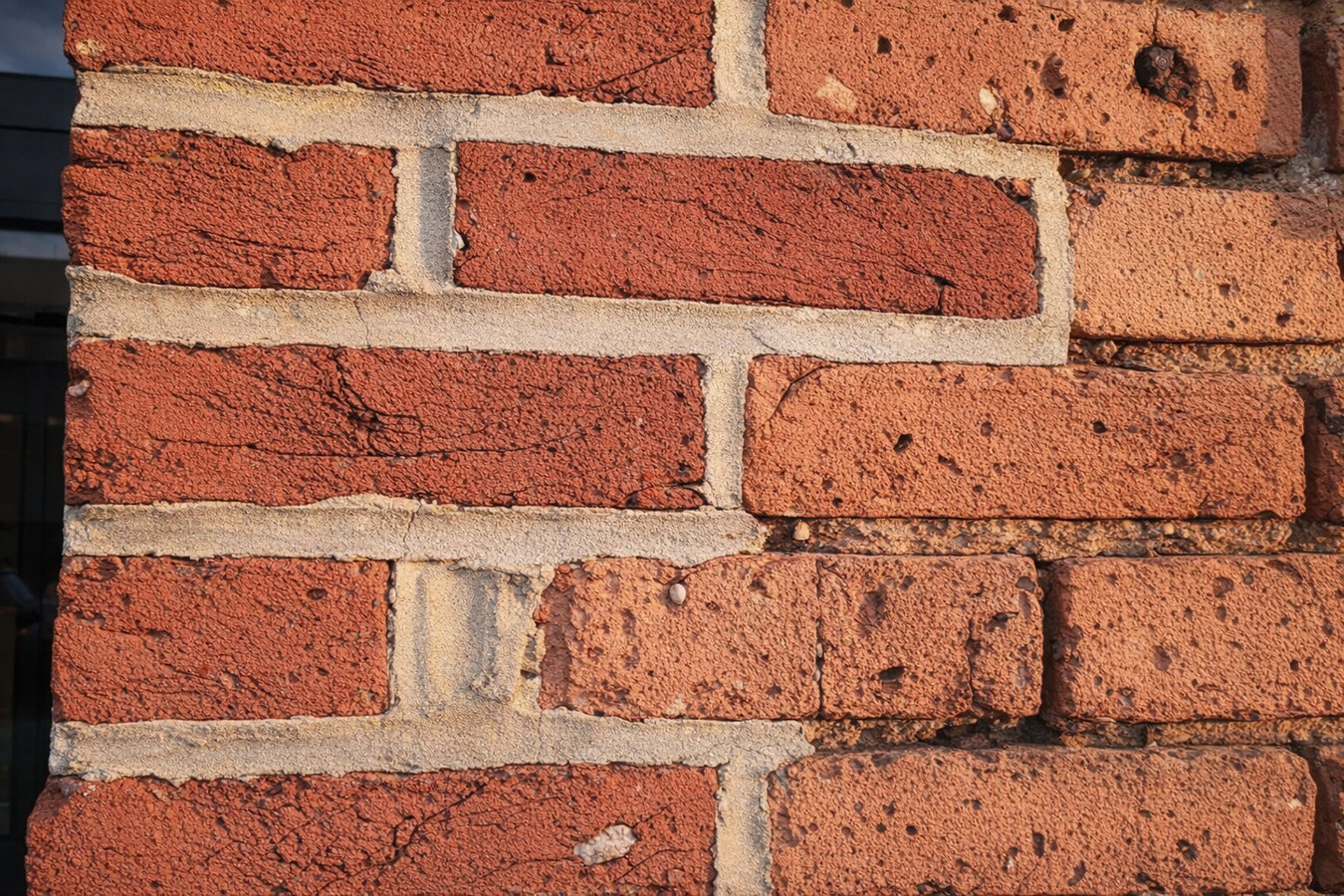
The mortar between your bricks or stones is softer than the masonry units themselves, and it wears out first. When mortar starts to crack or fall out, water gets in behind the wall and damage spreads quickly. Anchorage homeowners face some of the most aggressive freeze-thaw cycling in the country - temperatures crossing the freezing point dozens of times each winter, pushing water into small cracks and forcing them wider with every cycle. The good news is that masonry restoration is almost always less expensive than full replacement, and a skilled contractor can often save the existing structure and make it perform like new. When cracks are caught early, work like fireplace installation can even be scheduled at the same time if your firebox also needs attention.
AKM Anchorage Masonry restores chimneys, retaining walls, foundation walls, brick veneer, and stone structures throughout Anchorage and the surrounding Mat-Su Valley. Every job starts with an honest on-site assessment and a written estimate before any work begins.
If you can scrape mortar out of the joints with your fingernail or a key, it has lost its strength and is no longer keeping water out. You may also notice small piles of sandy debris at the base of a wall or chimney - that is old mortar that has already fallen away. This is the most common sign that repointing work is needed, and the sooner it is addressed, the less expensive the repair will be.
A chalky white residue on brick or stone - called efflorescence - is a sign that water is moving through the masonry and carrying dissolved salts to the surface. In Anchorage's wet springs and freeze-thaw winters, this is a common early warning. It does not mean the wall is about to fall down, but it does mean moisture is getting in somewhere and the underlying cause needs to be found and fixed.
After the 2018 earthquake and other notable seismic events in the Anchorage area, many homeowners noticed new cracks in their chimneys, foundation walls, or brick veneer. Even cracks that look small on the surface can indicate that mortar joints have shifted or that the structure has moved in ways that compromise its ability to keep water out. If you noticed new cracking after any significant shaking, have it looked at before the next winter.
If you notice damp spots, water stains, or actual seepage on the interior side of a concrete block or brick foundation wall, the exterior masonry is likely no longer keeping water out. In Anchorage, spring snowmelt can push a significant amount of water against foundation walls in a short period of time. Addressing the masonry on the outside is almost always more effective - and less expensive - than trying to waterproof from the inside.
Masonry restoration covers a wide range of work - from replacing crumbling mortar joints to repairing earthquake-damaged chimneys to stabilizing foundation walls showing signs of water damage. The most important first step is an accurate assessment, because the right repair depends on what is actually failing and why. When a chimney needs attention beyond mortar joints, we can often pair the restoration with fireplace installation or firebox work in the same visit. For larger structures or walls that need a different material approach, we also offer stone masonry services that can blend seamlessly with existing work.
Matching the original mortar matters more than most homeowners realize. Using mortar that is harder or stronger than the original can actually cause the bricks to crack over time - the mortar is designed to be the part that gives way first. We test or closely match the original mortar mix before starting any repointing work on your home, which is especially important for older Anchorage homes built with softer, more porous brick. Every job is finished with a walkthrough so you know exactly what was done and what to watch for going forward.
Suits homes where the bricks or stones are structurally sound but the mortar between them has crumbled, cracked, or fallen out - the most common and cost-effective masonry restoration job.
Suits chimneys showing cracked crown mortar, open joints, loose bricks, or leaning caused by years of freeze-thaw cycling and seismic activity in the Anchorage area.
Suits concrete block or brick foundation walls showing cracking, seepage, or surface deterioration - especially in older Anchorage homes in neighborhoods like Spenard, Mountain View, and Government Hill.
Suits walls and retaining structures showing white salt staining, surface staining, or biological growth - addressing the visible symptom and the underlying moisture source that caused it.
Anchorage experiences some of the most punishing freeze-thaw conditions in the country, with temperatures regularly crossing the freezing point dozens of times each winter. Every time moisture trapped in a crack freezes, it expands and forces the crack a little wider. What this means for you is that masonry damage in Anchorage tends to get worse faster than in milder climates - a small crack you notice in spring may be a serious problem by the following fall if left untreated. On top of that, Anchorage sits in one of the most seismically active regions in the world. The 1964 Good Friday earthquake and the 2018 magnitude 7.1 event both caused significant structural damage across the city, and smaller tremors can open mortar joints and shift brick veneer in ways that homeowners do not always notice right away. Many homes in older established neighborhoods - including areas served from Wasilla - have masonry that has never been professionally inspected since those events.
Masonry restoration work in Anchorage also requires planning around a short outdoor working season. Mortar needs temperatures above freezing to cure properly, which in Anchorage means the practical window runs from roughly late May through September. Contractors get very busy once the weather turns, and homeowners who wait until summer often find themselves waiting weeks for an appointment. Reaching out in March or April - even just for an estimate - puts you ahead of the rush. Homeowners throughout the greater Anchorage area, including those we serve in Palmer and the Mat-Su Valley, face the same compressed season and benefit from the same early planning.
Call or send a message describing what you are seeing - crumbling mortar, white staining, cracks, or water in the basement. We reply within one business day. Sharing a photo upfront helps us give you a more accurate sense of scope before we even visit.
We walk the property, look closely at the damaged areas, and ask about any history you know - how long the damage has been there and whether it has gotten worse. You receive a written estimate explaining exactly what work will be done and why, not just a total number.
The crew removes damaged mortar or loose material, cleans the surface, mixes mortar matched to your original construction, and carefully fills and finishes each joint or repair area. Most residential jobs take one to three days. The crew protects surrounding surfaces and cleans up at the end of each workday.
After work is complete, new mortar needs at least 24 to 48 hours to harden before it should get wet - longer if temperatures are near freezing. We monitor conditions and may use protective coverings overnight. Before leaving, we walk you through the finished work and tell you what to watch for in the first year.
Free written estimate. No pressure. We reply within one business day.
(907) 615-8067Using mortar that is harder than the original can crack the bricks themselves over time. We test or closely match the original mortar mix before starting any repointing work, which is especially important for Anchorage homes built in the 1950s through 1980s with softer, more porous brick. This is one of the most commonly skipped steps that leads to early repair failure in cold climates.
Anchorage has experienced two major earthquakes - the 1964 Good Friday event and the 2018 magnitude 7.1 quake - and smaller tremors continue. We inspect every job with seismic damage patterns in mind, because earthquake-related cracks look different from freeze-thaw wear and are treated differently. You get an honest assessment of what the damage actually is and what it will take to fix it properly.
We quote masonry restoration work in writing before any work starts, with a clear breakdown of what is included. Anchorage repointing typically runs $15 to $35 per square foot depending on access, scope, and material matching requirements. Knowing the number upfront - not after the job is done - is how homeowners stay in control of their budgets.
The federal government publishes the most widely respected guidelines for masonry restoration through the National Park Service Preservation Briefs. We follow those guidelines on every job, which means mortar joints are removed to the correct depth, the right mortar type is used, and finished joints match the profile of the original. Homeowners who want to understand the standard before hiring anyone are welcome to read those documents.
Masonry restoration done right in Anchorage requires a masonry company that understands Alaska's specific combination of seismic activity, aggressive freeze-thaw cycling, and short working seasons. Our focus on cold-climate methods and honest written estimates means you know what you are getting before work starts - and you can count on it lasting.
Alaska contractor licensing is verified through the Alaska Department of Commerce, Community, and Economic Development. Permit requirements for Anchorage projects are handled through the Municipality of Anchorage Development Services Department.
Install a new wood-burning, gas, or prefabricated fireplace with proper seismic anchoring and Anchorage permit compliance.
Learn more about Fireplace installationNatural and manufactured stone work for walls, steps, chimneys, and decorative features built to withstand Alaska conditions.
Learn more about Stone masonryAnchorage contractors get busy fast once summer arrives - reaching out now means your repair gets scheduled on your timeline, not whoever has a last-minute opening.