
Loading...
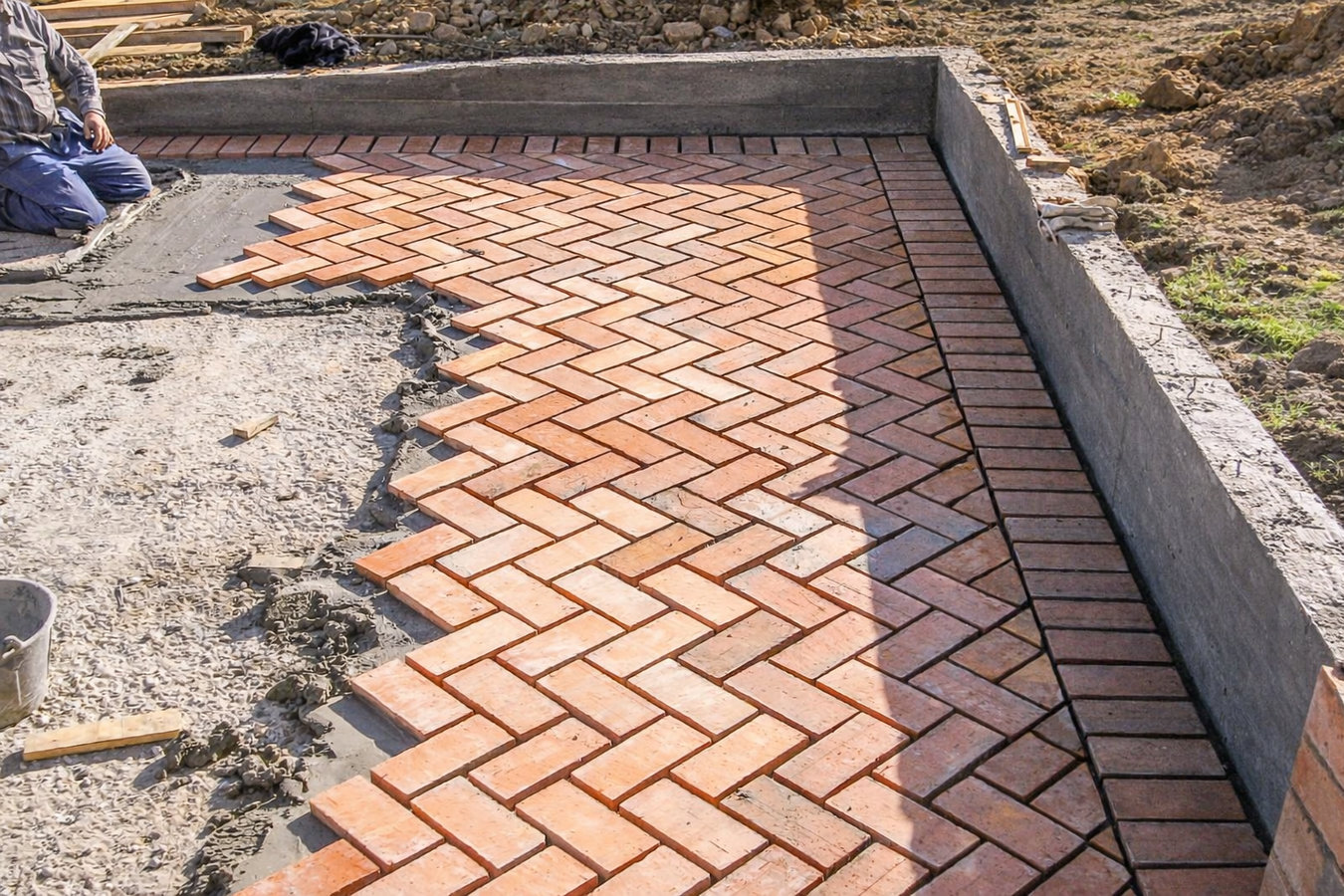
An uneven, cracked walkway is a trip hazard every winter. We build concrete, paver, and stone walkways on properly prepared bases so yours stays level and safe through every Anchorage freeze-thaw season.
Walkway construction in Anchorage means excavating the existing ground, preparing a deep compacted gravel base, and installing your chosen surface material on top - most residential projects take one to three days of active work, with a curing period afterward depending on the material.
A lot of homeowners in Anchorage have walkways that were installed decades ago with shallow bases that were never designed for the freeze-thaw stress here. Every winter the ground heaves a little, and every spring it settles back - and over time that movement cracks concrete, shifts pavers, and creates the uneven edges that become ice traps. Walkway construction done right starts well below the surface, with a base layer thick enough to let water drain away before it freezes. If you also want to connect a new walkway to a paved driveway or parking area, that work can be coordinated alongside a driveway pavers project for a unified result.
AKM Anchorage Masonry builds walkways throughout Anchorage. Every project starts with a site visit and a written estimate that breaks down exactly what the work involves and what it costs - no verbal quotes, no surprises at the end.
If slabs or stones have shifted so one edge sits higher than the other, that is frost heave - a common problem in Anchorage. It is not just an eyesore; an uneven surface is a trip hazard, especially when it is covered in snow or ice. Once sections start heaving, the underlying base has been compromised and patching the surface will not fix the root cause.
Small surface cracks are normal in older walkways, but if cracks from last year are noticeably wider this spring, water is getting in, freezing, and expanding the damage. In Anchorage's climate, this cycle accelerates quickly - what starts as a hairline crack can become a significant gap within two or three winters, and at that point repair costs more than replacement.
After rain or snowmelt, watch where the water goes. If it sits in puddles on your walkway or flows toward your foundation rather than away from it, the slope is wrong. Standing water that freezes creates a dangerous icy patch right where you are walking, and water draining toward your foundation can cause much bigger problems over time.
If the top layer of your concrete walkway is peeling away in flakes or chunks, that is spalling - typically caused by years of de-icing salts combined with freeze-thaw stress. Once spalling starts it tends to spread, and a rough, pitted surface traps moisture that accelerates the cycle. A sealant can slow it down, but a walkway that is actively spalling usually needs replacement.
Every walkway we build starts with proper excavation and a compacted gravel base - this is the part you will never see once the project is finished, and it is the part that determines whether your walkway holds up for decades or starts failing in a few years. We install three main surface materials: poured concrete for the most durable, lowest-maintenance result; concrete or natural stone pavers for a finished look with the flexibility to replace individual pieces later; and natural flagstone for homeowners who want a more organic, Alaskan aesthetic. We coordinate permit applications with the Municipality of Anchorage when the project requires one - typically when the walkway affects drainage or connects to a public area. If the area around your new walkway also needs a brick wall installation for definition or privacy, we can schedule both projects together.
Beyond new construction, we also handle full walkway replacements - removing old material, hauling it away, and starting from scratch with a properly prepared base. This is often the right call for homes from the 1950s through 1970s where original walkways were installed with shallow bases that were not built for today's understanding of freeze-thaw stress. We give every homeowner a written estimate before any work begins, with a clear breakdown of what is included so there are no surprises on the final invoice. If your project is part of a broader outdoor upgrade that includes a driveway pavers installation, we can coordinate scheduling so both projects finish cleanly together.
Suits homeowners who want the most durable, lowest-maintenance surface - poured concrete on a compacted gravel base with proper drainage slope built in.
Suits homeowners who want a finished, tailored look with the long-term flexibility to replace individual pieces if something shifts after a hard winter.
Suits homeowners who want a distinctive, organic look using flagstone or similar material - built on the same compacted base for cold-climate durability.
Suits homeowners with a failing or outdated walkway - complete demolition, haul-away, and new installation from scratch with a properly sized base.
Anchorage gets about 75 inches of snow per year, and frost can push six feet deep in a hard winter. Those two facts drive every decision we make when building a walkway here. The freeze-thaw cycle that runs from October through April is relentless - water works into any crack, freezes, and pries surfaces apart, every single year. Contractors who are used to working in warmer parts of the country often underestimate how deep the base needs to go, and homeowners pay for that shortcut a few winters later. Anchorage also has neighborhoods built on soils that behave differently from typical ground - some areas near Cook Inlet and in lower-lying sections of the city sit on soils that compress and shift in ways that require a more careful approach to base preparation. A site visit before any quote is not a formality here - it is genuinely necessary.
The construction season in Anchorage is short, which means timing matters more than it does in most places. The reliable window runs from late May through September, and contractors fill their schedules fast once that window opens. Homeowners in areas like Wasilla and Palmer deal with the same freeze-thaw conditions as Anchorage proper, and we build walkways throughout the Mat-Su Valley as part of our regular service area. Reaching out in late winter or early spring gives you the best chance of getting your project finished before the first hard freeze of the following season.
We will ask you a few basic questions - walkway length, material preference, and whether this is a replacement or a brand-new path. We respond within one business day and can usually tell you whether a site visit makes sense before we go further.
We come to your property to assess slope, current conditions, and soil. Within a few days you receive a written estimate that breaks down labor, materials, and any permit costs - every line itemized so you know exactly what you are paying for.
If the project requires a Municipality of Anchorage permit, we file it and manage the process. Permits typically add one to two weeks before the start date. Once everything is in order, you get a confirmed start date in writing.
The crew excavates, installs the base, and lays your chosen surface. After installation, we clean up the work area and walk you through the curing timeline and any maintenance steps - concrete typically needs 24 to 48 hours before foot traffic and about a week before heavy loads.
We respond within one business day. Free written estimate, no pressure, no obligation.
(907) 615-8067We excavate and prepare gravel bases sized for Anchorage's freeze-thaw conditions - not the minimums you would see on a job in Seattle or Denver. That extra depth is the difference between a walkway that holds up and one that starts heaving two winters later.
Every quote we provide is in writing and breaks down every cost line by line - labor, materials, base preparation, and any permit fees. You approve the number before we touch your property, and the final invoice matches what you signed.
We carry our Alaska contractor registration and liability coverage on every job, across Anchorage and the surrounding communities from Wasilla to Homer. You can verify our registration through the Alaska DCCED licensing database before you sign anything.
We file the Municipality of Anchorage permit, manage the paperwork, and schedule any required inspections as part of every project that needs one. You do not have to navigate that process yourself or worry about unpermitted work causing problems when you sell your home.
Every walkway project we take on is backed by the same straightforward process: a site visit, a written number, proper base work, and a finished path you can rely on year after year. We have built walkways across Anchorage and the surrounding region, and we know what this climate demands.
Questions about walkway installation timelines and materials are answered here. For questions specific to your property, call us or submit a request and we will respond within one business day. For general guidance on concrete flatwork, the Portland Cement Association and the Interlocking Concrete Pavement Institute both publish homeowner-facing resources.
Define outdoor spaces or add a boundary wall alongside your new walkway - built on frost-depth footings rated for Anchorage winters.
Learn more about Brick wall installationCoordinate a new paver driveway with your walkway project for a unified surface that handles Alaska freeze-thaw cycles.
Learn more about Driveway paversThe reliable outdoor construction window runs from late May through September - and the best slots go fast. Reach out now for a free, written estimate and a confirmed start date before summer books up.